
Blog
Water Culture: Introduction, Uses of Water Culture, and Keynotes
 Introduction Water culture refers to the growth of microorganisms in a liquid medium that contains water as the primary solvent. This type of culture is commonly used in microbiology research and industry to study the growth and behavior of various microorganisms, such as bacteria, fungi, and algae. In this culture, microorganisms are grown in a nutrient-rich liquid medium that contains water as the primary solvent. The composition of the medium can vary depending on the type...
Procalcitonin (PCT): Introduction, Normal Range, Clinical Singificance and Keynotes
Introduction of Procalcitonin Procalcitonin (PCT) is a peptide precursor of the hormone calcitonin that is produced by various cells in the body, including the thyroid gland, lungs, liver, and intestines, in response to bacterial infections, sepsis, and systemic inflammation. it is converted to calcitonin in the thyroid gland under normal physiological conditions, but during infections or inflammation, the production of procalcitonin is increased, and it is released into the bloodstream. In clinical practice, procalcitonin is used...
Read MoreMelanized Fungi: Introduction, List of Melanized Fungi, Pathogenecity, and Keynotes
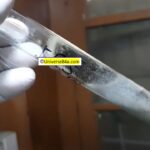 Introduction Melanized fungi, also known as melanized or black yeasts, are a group of fungi that have the ability to produce melanin, a dark pigment that protects them from environmental stressors such as UV radiation and reactive oxygen species. They are found in a variety of environments, including soil, water, and air, and can also be found as commensal or pathogenic organisms in animals and humans. They are characterized by their unique cell wall structure, which...