
Blog
Staphylococcus epidermidis- Introduction, Morphology, Pathogenicity, Lab Diagnosis, Treatment, Prevention, and Keynotes
 Introduction Staphylococcus epidermidis is a Gram-positive, coagulase-negative bacterium that belongs to the Staphylococcus genus. It is one of the most common members of the human skin microbiota and is typically found on the skin and mucous membranes. Staphylococcus epidermidis is considered a commensal bacterium, which means that it usually coexists harmlessly with its human host. However, under certain conditions, it can become an opportunistic pathogen and cause infections, particularly in individuals with compromised immune systems or...
Nipah virus (NiV) – Introduction, Morphology, Pathogenicity, Lab Diagnosis, Treatment, Prevention, and Keynotes
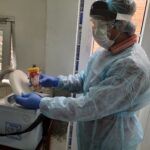 Introduction Nipah virus (NiV) is a highly contagious and deadly zoonotic virus that belongs to the family Paramyxoviridae, genus Henipavirus. It was first identified in 1999 during an outbreak in Malaysia, which affected both humans and pigs. Nipah virus is known for causing severe respiratory and neurological diseases in humans, and it has the potential for human-to-human transmission. Here is an introduction to Nipah virus: 1. Origin: Nipah virus is believed to originate from fruit bats...
Staphylococcus haemolyticus- Introduction, Morphology, Pathogenicity, Lab Diagnosis, Treatment, Prevention, and Keynotes
 Introduction Staphylococcus haemolyticus is a bacterium that belongs to the genus Staphylococcus. It is a Gram-positive, coagulase-negative coccus, meaning it has a spherical shape and does not produce the enzyme coagulase, which distinguishes it from its more pathogenic relative, Staphylococcus aureus. Staphylococcus haemolyticus is an opportunistic pathogen, primarily associated with hospital-acquired infections, making it an important focus in healthcare settings. Here are some key characteristics and information about Staphylococcus haemolyticus: Microscopic Appearance: It appears as spherical cells...