
Blog
Fungal Reagent and Stains: Introduction, List and Their Uses
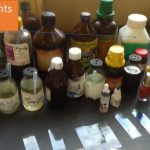 Introduction of Fungal reagents and stains Fungal reagents and stains are necessary for the isolation and identification of various fungi that cause a variety of fungal diseases. This makes it easier to treat such types of diseases. The most common fungal reagent and stains are as follows. List of fungal reagent and stains 20% potassium hydroxide (KOH) is very useful for the presumptive identification of fungal diseases. KOH with DMSO (Dimethyl Sulfoxide) is a modification of...
CAMP Test: Principle, Procedure, Result and Interpretation
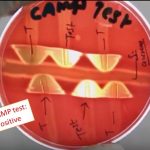 CAMP Test to identify presumptively S. agalactiae The CAMP test uses to identify preemptively Streptococcus agalactiae. It was first described in 1944 by Christie, Atkins, and Munch-Petersen, and the CAMP test is an acronym of their names. Principle of CAMP Test The beta lysin produced by Staphylococcus aureus is sphingomyelinase in nature, which acts on the sphingomyelin present on the cell membrane of sheep red blood cells. This results in the formation of ceramide which is cleared...
CRP Test: Introduction, Testing Procedure, Normal Range and Clinical Significance
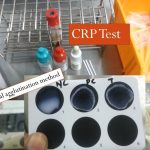 Introduction of CRP Test CRP stands for C-Reactive Protein and it is a carbohydrate reactive protein. CRP test was so named because it was first identified as a substance in the serum of patients with acute inflammation that reacted with the somatic 'C' carbohydrate antigen of Pneumococcus. Discovered by Tillett and Francis in 1930. Synthesized by hepatocytes. CRP is an annular pentameric protein found in plasma, whose levels rise in response to inflammation. Molecular Weight 25,106 Dalton. An acute-phase protein of hepatic origin that increases following interleukin-6 secretion by macrophages as...