
Blog
Germ Art: Introduction, Requirements, Making Procedure, Uses and Keynotes
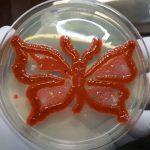 Introduction of Germ Art Germ art or agar art or microbial art is the same thing in which artwork is created by culturing microorganisms in certain patterns. The microbes used can be bacteria, yeast fungi, or protists (less commonly). The microbes can be chosen for their natural colors. Organisms most commonly used and available are Staphylococcus aureus, Pseudomonas aeruginosa , Serratia marcescens as shown above picture. Painting with bacteria isn’t entirely new because Sir Alexander Fleming, the scientist responsible for discovering penicillin...
Microbial Art: Introduction, Requirements, Making Procedure, Uses and Keynotes
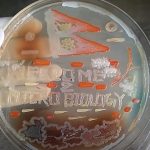 Introduction of Microbial Art Agar art or microbial art or germ art is the same thing in which artwork is created by culturing microorganisms in certain patterns. The microbes used can be bacteria, yeast fungi, or protists (less commonly). The microbes can be chosen for their natural colors. Organisms most commonly used and available are Staphylococcus aureus, Pseudomonas aeruginosa , Serratia marcescens as shown above picture. Painting with bacteria isn’t entirely new because Sir Alexander Fleming, the scientist responsible for discovering penicillin...
CAMP Test: Introduction, Principle, Test Requirements, Test Procedure, Result and Interpretation and Keynotes
 CAMP Test The CAMP test is applied to the presumptive identification of Streptococcus agalactiae. It was first described in 1944 by Christie, Atkins, and Munch-Petersen, and the CAMP test is an acronym of their names. Principle of CAMP Test The beta lysin produced by Staphylococcus aureus is sphingomyelinase in nature, which acts on the sphingomyelin present on the cell membrane of sheep red blood cells. This results in the formation of ceramide which is cleared by the...