
Blog
TBA for Corynebacterium: Introduction, Principle, Composition, Preparation, Procedure, Colony Morphology, Uses and Keynotes
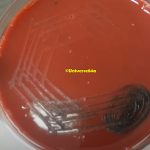 Introduction of Tellurite Blood Agar (TBA) TBA stands for Tellurite Blood Agar and it is applied for the selective isolation and cultivation of Corynebacterium species and they are Gram-positive, facultatively anaerobic, non-motile bacteria that exhibit a fermentative metabolism (carbohydrates to lactic acid) under certain conditions. Most species are normal flora of humans present virtually at all anatomic sites. Tellurite Blood Agar is a selective medium used for the isolation and cultivation of Corynebacterium species. It is...
Common Bacteria Biochemical Test Demonstration: Introduction, Common Tests and List of Organisms
 Introduction of Common Bacteria Biochemical Test Demonstration 'Common Bacterial Biochemical Test Demonstration' is a genuine puny collection of clinically relevant bacteria isolated in the clinical bacteriology laboratory by the creator and those etiological agents captured in his camera are only included. Common Tests of Gram-Negative Bacteria Triple Sugar Iron (TSI) Agar Test Motility Indole Urea (MIU) Test Citrate Utilization Test Oxidase Test Key – is Negative Result + is Positive Result d is different strains give different Result ± Positive...
Tuberculin Skin Test: Introduction, Procedure, Normal Range and Result Interpretation
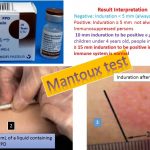 Introduction of Tuberculin Skin Test Tuberculin skin test (TST) is also familiar with tuberculin test or tuberculosis skin test or Mendel–Mantoux test or tuberculin sensitivity test or purified protein derivative (PPD) tests. It is a tool for screening for tuberculosis and for tuberculosis diagnosis. The standard recommended tuberculin test is the Mantoux test and it determines if someone has developed an immune response to the bacterium that causes tuberculosis i.e. Mycobacterium tuberculosis. PPD uses in this test is the extract...