
Blog
Aeromonas: Introduction, Pathogenecity, Lab Diagnosis and Treatment
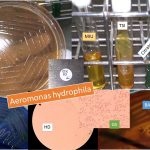 Introduction of Aeromonas Aeromoas: Greek; aer/aeros =air, gas; feminine gender noun monas = unit, monad Aeromonas=gas(-producing) monad Aeromonas was originally placed in the family Vibrionanceae (1965 by veron), which also included the genera Vibrio, Aeromonas & Plesiomomas. Phylogenetic investigations indicated that the genus Aeromonas is not closely related to vibrios. So, it is removed from the family Vibrionanceae and transfer to the new family Aeromanadaceae (1986 by Colwell, MacDonell, and De Ley ) based upon 5s &...
Fungus: Introduction, Structure, Fungal Infections, Prevention and Control
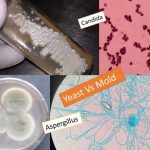 Fungus Mycology is the science that deals with the study of fungus. Medical mycology: The science that deals with the study of fungi that causes the disease is called medical mycology. General Features Fungus The fungi are a group of eukaryotic organisms. They are found in soil, water, air, and decaying matter are the main sources. They have a diversity of morphological appearances, depending on the species. They are heterotrophic organisms that lack the definite root,...
Thiosulfate Citrate Bile Salts Sucrose (TCBS) Agar : Introduction, Composition, Uses, Result Interpretation and Limitation
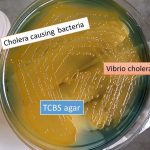 Introduction of Thiosulfate Citrate Bile Salts Sucrose (TCBS) Agar Vibrio cholerae is the causative agent of cholera and Thiosulfate Citrate bile salts sucrose (TCBS) agar a selective as well as differential culture medium used for selective isolation of this bacterium including its species from a variety of clinical and nonclinical specimens. TCBS agar has a very high pH (8.5-9.5) which suppresses growth of intestinal flora other than Vibrio spp. The bile salts inhibit growth of gram-positive microorganisms. Vibrio spp. produce either yellow or green colonies...