
Blog
Rheumatoid Factor(RF): Introduction, Associated Diseases, Detection methods, Test procedure, Result Interpretation
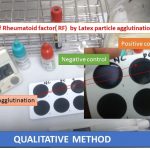 Introduction of Rheumatoid factor test Rheumatoid arthritis ( RA) is a chronic systemic inflammatory disorder that may affect many tissues and organs like skin, blood vessels,heart,lungs, and muscles but particularly attacks joints, producing a supppurative proliferative and inflammatory synovitis that often progresses to destruction of the articular cartilage and ankylosing of joints. Rheumatoid factor is common in about 1% population. Female>male 40-70 years age Rheumatoid factor(RF) is the auto antibody that first found in rheumatoid arthritis. It defines as...
CLED Agar: Introduction, Uses,Composition, Preparation, Colony Characteristics, Modification and Limitations
 Introduction of CLED Agar CLED stands for cysteine, lactose and electrolyte- deficient. CLED agar or medium is a differential culture medium using for isolation and enumeration of bacteria in urine specimen from the suspected cases of urinary tract infection (UTI). It favors the growth of all potential urinary pathogens as well as a number of contaminants such as diphtheroid, lactobacilli, and micrococci. Candida also enjoys this medium. This is a sole medium alternate for routine urine...
Mannitol Salt Agar (MSA): Introduction, Composition, Preparation, Uses and Colony Characteristics
 Introduction of Mannitol salt agar (MSA) Mannitol Salt Agar (MSA) is a selective, differential, and indicator medium which is used to isolate and identify S. aureus from the clinical specimens. Other Staphylococcus species and Micrococcus also grow on this medium. Selective due to is very high salt (7.5%) compared with other media Gram-Positive Staphylococcus: not fermenting mannitol, the medium does not change color (e.g. epidermidis whereas Staphylococcus aureus yellow color colonies) Gram Positive Streptococcus: No growth and also Gram-Negative:...