
Blog
Bile Solubility Test: Principle, Procedure, Result and Interpretation
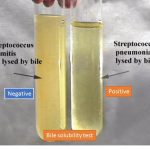 Bile Solubility Test Bile solubility test uses for identification of Streptococcus pneumoniae. Principle of Bile Solubility Test Bile salts, specifically sodium deoxycholate and sodium taurocholate, have the capacity to selectively lyse S. pneumoniae when added to actively growing bacteria in agar or broth media. S. pneumoniae produces autolytic enzymes that account for the central depression or umbilication characteristic of older pneumococcal colonies on agar media. The addition of bile salts activates the autolysins and accelerates the...
Decarboxylase Test: Principle, Procedure, Result Interpretation, Uses and Limitations
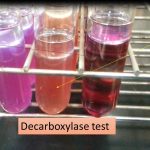 Principle of Decarboxylase-Dihydrolase Test Lysine, ornithine, and arginine are the most common amino acids used to detect an organism’s ability to decarboxylate or hydrolyze an amino acid in a decarboxylase medium, forming an amine that produces an alkaline pH. The basal medium for the decarboxylase test is usually Moller’s formula and contains constituents like meat peptones and beef extract, which supply nitrogenous nutrients to support bacterial growth. Glucose is a fermentable carbohydrate. The two pH indicators...
Voges Proskauer Test: Use, Principle, Procedure and Result Interpretation
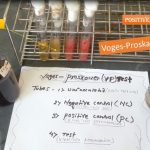 Voges-Proskauer (VP ) Test Voges Proskauer test for identification to the species level of the following groups of organisms Enteric gram-negative rods, Aeromonas, and Vibrio Viridans group streptococci Staphylococci Principle of Voges Proskauer Test Organisms utilizing the butylene glycol pathway produce acetylmethylcarbinol (acetoin) and butanediol, neutral end products that raise the pH towards neutrality (pH 6) and result in a high final pH. Most Enterobacteriaceae demonstrate one or the other metabolic pathway but rarely both. The...