
Blog
DNA Sequencing: Introduction, Types, Principle, Procedure and Uses
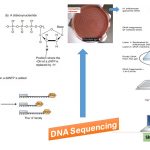 Introduction of DNA Sequencing DNA sequencing is a technique used to determine the precise order of the four nucleotide bases, adenine, guanine, cytosine, and thymine which make up a strand of DNA. These bases provide the underlying genetic basis (the genotype) for telling a cell what to do, where to go, and what kind of cell to become (the phenotype). Nucleotides are not the only determinants of phenotypes, but also they are essential to their formation....
Ribotyping: Introduction, Ribosmes and RNA, Principle, Procedure, Different Techniques of Ribotyping and Uses
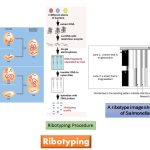 Introduction of Ribotyping Ribotyping is a molecular diagnostic technique. The name derives from the ribosome which is part of the cellular machinery that creates proteins. The ribosomes were first noted in plant cells by Robinson and Brown in 1953 while studying bean roots with the electron microscope. Ribotyping can be used to identify bacteria and fungi but not viruses. Ribosomes are found only in cells. Viruses have no cellular structure but are molecules with genetic material...
Haemophilus influenzae: Introduction, Morphology, Pathogenecity, Laboratory Diagnosis, Treatment and Key Notes
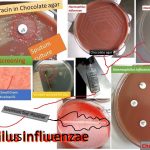 Introduction of Haemophilus influenzae Haemophilus influenzae colonies on chocolate agar after overnight incubation in a carbon dioxide atmosphere as shown above image. It must contain haemin or other iron-containing porphyrin and nicotinamide adenine dinucleotide (NAD) or its phosphate (NADP). The porphyrin requirement is referred to as growth factor X and the NAD or NADP requirement as growth factor V. It was a causative agent of the devastating 1918 pandemic of influenza to now from local to systemic infections....