
Blog
Mycoplasma: Introduction, Characteristics, Pathogenecity, Lab Diagnosis and Treatment
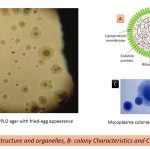 Introduction of Mycoplasma A cell wall deficient organism was isolated by Nocard and Roux in 1998, from a cattle suffering from pleuropneumonia. The organism was filterable through bacteria stopping filter and highly pleomorphic. Because of their resemblance to the organisms responsible for pneumonia in the cattle, for many years this organism was called Pleuropneumonia-like organism (PPLO). Since organisms are seen like fungus in the form of branching filaments, the name given today for this organism is...
Fusarium species: General Characteristics, Pathogenesis, Clinical Findings, Laboratory Diagnosis,Treatment , Prevention and Control
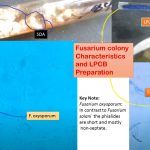 General Characteristics of Fusarium species Fusarium species are a large group of filamentous fungi belonging to the hyphomycetes. They are commonly distributed in the soil they are saprophytic fungi and are plant pathogens and thus causing a wide range of plant diseases. This is because of their ability to produce mycotoxins especially in cereal crops, that can cause disease in human and animal hosts if ingested. Fusarium species majorly produces fumonisins and trichothecenes mycotoxins. Infections due...
Antimicrobial Agent: Therapy, Properties, Factors Influencing and Classification
 Antimicrobial Agent and Therapy An antimicrobial agent is a substance that inhibits microorganisms and its use in may food industry for packaging materials to enhance the shelf-life of packaged foods, by preserving the foods against microbial spoilage and hazardous food-borne microorganisms whereas in therapy to get rid of the microorganisms such as bacteria, fungi, or protozoans. Therapies that kill microorganisms are called microbiocidal therapies and therapies that only inhibit the growth of microorganisms are called microbiostatic therapies....