
Blog
Direct Microscopy-Fluorescent Staining: Introduction, Uses, and Keynotes
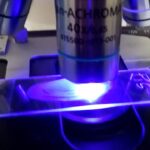 Introduction of Direct Microscopy-Fluorescent staining Direct microscopy uses fluorescent staining that offers rapid visualization of microorganisms. First, Direct Microscopy-Fluorescent staining enhances the contrast of target cells under a microscope. Moreover, fluorescent dyes bind specifically to microbial structures. Additionally, technicians observe distinct fluorescence patterns in samples. Furthermore, the method detects low numbers of pathogens effectively. Consequently, clinicians use it for quick preliminary diagnoses. Importantly, the technique bypasses lengthy culture procedures. Also, laboratories reduce turnaround time significantly with this method....
Staphylococcus sciuri- Introduction, Morphology, Pathogenicity, Lab Diagnosis, Treatment, Prevention, and Keynotes
 Introduction Staphylococcus sciuri belongs to the coagulase-negative staphylococci (CoNS) group. Since it thrives in diverse environments, scientists isolate it from animals, soil, and water. Moreover, it colonizes the skin and mucosal surfaces of both humans and animals. Although it usually remains harmless, it sometimes causes opportunistic infections. Because of its adaptability, researchers study it as a potential reservoir for antimicrobial resistance genes. Furthermore, it exhibits multidrug resistance, making treatment more challenging. For this reason, health professionals...
Enterococcus avium-Introduction, Morphology, Pathogenicity, Lab Diagnosis, Treatment, Prevention, and Keynote
 Introduction Enterococcus avium is a Gram-positive, facultative anaerobic bacterium belonging to the genus, Enterococcus. The primary reservoir of E. avium includes the feces of chickens, birds, and occasionally humans, dogs, and pigs. Moreover, it naturally inhabits the gastrointestinal tract of humans and animals, acting as part of the normal flora. In addition, it occasionally causes opportunistic infections, particularly in immunocompromised patients. Furthermore, it is less commonly encountered than other enterococci, like E. faecalis or E. faecium....