
Blog
Prototheca: Introduction, Morphology, Pathogenicity, Lab Diagnosis, Treatment, Prevention, and Keynotes
 Introduction Prototheca is an achlorophyllic alga that causes opportunistic infections. Moreover, it infects both humans and animals in diverse environments. Additionally, it thrives in water, soil, and decomposing plant matter. Furthermore, researchers recognize its similarity to fungi in culture and clinical presentation. Also, clinicians observe that it lacks chlorophyll. Consequently, it does not perform photosynthesis. In addition, it remains resilient in adverse conditions. Similarly, it adapts to multiple hosts and environments. Therefore, its emergence in clinical...
Aspergillus penicillioides-Introduction, Morphology, Pathogenicity, Lab Diagnosis, Treatment, Prevention, and Keynotes
 Introduction Aspergillus penicillioides rapidly colonizes low-moisture environments, thriving robustly in freshly stored food and indoor surfaces every day consistently. Moreover, it actively degrades various organic matter and accelerates rapid biodeterioration in buildings and food products across environments. Additionally, researchers study its metabolic pathways, which enhance enzyme production and support environmental adaptability in diverse substrates systematically. Furthermore, scientists develop targeted control measures and monitor its spread using advanced diagnostic techniques for improved safety globally. Finally, experts refine...
Sclerotic cells:Introduction, Lab Diagnosis, Clinical Significance, and Keynotes
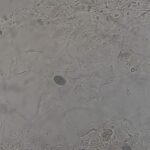 Introduction Sclerotic cells, also known as Medlar bodies, are distinctive fungal elements observed in chromoblastomycosis lesions. They appear as thick, pigmented, muriform structures in tissue samples and serve as vital diagnostic markers. Their unique morphology facilitates the early detection of dematiaceous fungal infections and aids in differentiating chromoblastomycosis from other dermatological conditions. Moreover, recognizing these cells guides targeted antifungal therapy, ultimately enhancing patient outcomes and disease management in clinical mycology. Lab Diagnosis Laboratory diagnosis of sclerotic...