
Blog
Pseudomonas fluorescens- Introduction, Morphology, Pathogenicity, Lab Diagnosis, Treatment, Prevention, and Keynotes
 Introduction Pseudomonas fluorescens is a Gram-negative bacterium that lives in soil and water. It thrives in diverse environments with high metabolic versatility. Furthermore, it plays a crucial role in nutrient cycling and bioremediation. Researchers are studying it for potential applications in agriculture and industry. Additionally, the bacterium interacts with plant roots and soil microbes. Its versatile metabolism enables it to degrade various organic compounds. Moreover, it occasionally causes opportunistic infections in immunocompromised hosts. Thus, Pseudomonas fluorescens...
Talaromyces marneffei: Introduction, Morphology, Pathogenicity, Lab Diagnosis, Treatment, Prevention, and Keynotes
 Introduction Talaromyces marneffei is a dimorphic fungus endemic to Southeast Asia. Moreover, it causes life-threatening systemic infections in immunocompromised individuals. Additionally, it exists as a mold at 25°C and converts to yeast at 37°C. Furthermore, the fungus spreads via environmental exposure and inhalation. Importantly, its infection is common among HIV/AIDS patients. Consequently, research on this pathogen improves diagnostic and therapeutic strategies. Also, its study enhances our understanding of fungal pathogenesis and host interactions. Therefore, T. marneffei demands continuous clinical and research attention to...
Serratia marcescens: Introduction, Morphology, Pathogenicity, Lab Diagnosis, Treatment, Prevention, and Keynotes
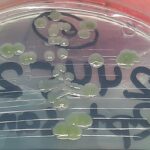 Introduction Serratia marcescens is a Gram-negative bacterium belonging to the Enterobacteriaceae family. Moreover, it often produces a red pigment called prodigiosin at cooler temperatures. However, many clinical isolates appear colorless or pale at 37°C. Additionally, S. marcescens thrives in moist environments, including hospital sinks and bathrooms. It can form biofilms on catheters and other medical devices, causing persistent infections. Therefore, its opportunistic nature demands attention in healthcare settings to prevent outbreaks. Morphology of Serratia marcescens S....