
Blog
Hookworm Infection: Introduction, Morphology, life cycle, Mode of Infection, Pathogenecity, Lab Diagnosis and Treatment
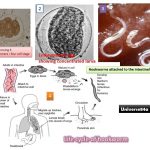 Introduction of Hookworm Infection Hookworm is intestinal, blood-feeding, roundworm parasite that causes types of infection known as helminthiases and which is a common infection in countries with poor access to adequate water, sanitation, and hygiene. In humans, hookworm infections are caused by two main species of roundworm belonging to the genera Ancylostoma and Necator. Scientific classification Kingdom: Animalia Phylum: Nematoda Class: Chromadorea Order: Rhabditida Family: Ancylostomatidae Genus: Ancylostoma Species: A. duodenale Binomial name Ancylostoma duodenale Scientific classification Kingdom: Animalia Phylum:...
Roundworm: Introduction, Morphology, Life Cycle, Mode of Infection, Pathogenicity, Lab Diagnosis and Treatment
 Introduction of Roundworm Ascaris lumricoides common name is roundworm of humans, growing to a length of up to 35 cm and it is the most common parasitic worm in humans. This organism causes disease ascariasis, a type of helminthiasis and one of the groups of neglected tropical diseases. An estimated one-sixth of the human population is infected by A. lumbricoideand and it is prevalent worldwide, especially in tropical and subtropical countries. Scientific Classification of Roundworm Kingdom: Animalia Phylum: Nematoda...
Cystine Lactose Electrolyte Deficient (CLED) Agar: Introduction, Uses,Composition, Preparation, Colony Characteristics, Modification and Limitations
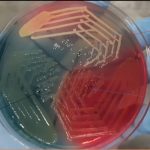 Introduction of Cystine Lactose Electrolyte Deficient (CLED) Agar CLED stands for cysteine, lactose, and electrolyte-deficient. Cystine Lactose Electrolyte Deficient (CLED) Agar or medium is a differential culture medium using for isolation and enumeration of bacteria in urine specimens from the suspected cases of urinary tract infection (UTI). It favors the growth of all potential urinary pathogens as well as a number of contaminants such as diphtheroid, lactobacilli, and micrococci. Candida also enjoys this medium. This is a sole...