
Blog
GTT for Candida : Introduction, Principle, Procedure, Result Interpretation and Keynotes
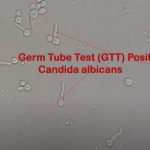 Introduction of Germ Tube Test (GTT) GTT stands for Germ Tube Test and GTT procedure is used for presumptive identification of Candida species. The culture of Candida species is treated with normal human pooled serum or sheep or rabbit or fetal calf serum and incubated at 37°C for 2-4 hours. A drop of suspension is examined on the slide under a microscope. The germ tubes are seen as long as tube-like projections extending from the yeast cells. There...
CLED Medium: Introduction, Uses,Composition, Preparation, Colony Characteristics, Modification and Limitations
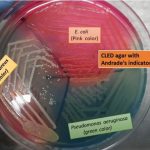 Introduction of CLED Medium CLED stands for cysteine, lactose, and electrolyte-deficient. CLED medium or agar is a differential culture medium used for isolation and enumeration of bacteria in urine specimens from suspected cases of urinary tract infection (UTI). It favors the growth of all potential urinary pathogens as well as a number of contaminants such as diphtheroid, lactobacilli, and micrococci. Candida also enjoys this medium. This is a sole medium alternate for routine urine culture, inoculation...
Shigella species: Introduction, Morphology, Culture Characteristics, Pathogenesis, Lab Diagnosis and Treatment
 Introduction of Shigella species Shigella are bacteria and cause an infectious disease called Shigellosis. Shigella species are Shigella dysenterae, Shigella flexneri, Shigella boydii and Shigella sonnei. Shigella is named after the Japanese microbiologist Kiyoshi Shiga who isolated the first member of the group in 1896 from epidemic dysentery in Japan which was then called Shigella shiga and is now called S. dysenteriae. Most who are infected with Shigella develop diarrhea, fever, and stomach cramps starting a day or two after they are exposed to...