
Blog
Escherichia coli: Introduction, Morphology, Pathogenicity, Lab Diagnosis, Treatment, Prevention, and Keynotes
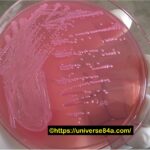 Introduction Escherichia coli, often abbreviated as E. coli, is a Gram-negative, rod-shaped bacterium belonging to the family Enterobacteriaceae. It is one of the most extensively studied and well-known microorganisms due to its dual role as both a harmless resident of the human intestinal tract and a common cause of various infections. Taxonomy and Classification: E. coli is classified as follows: Domain: Bacteria Phylum: Proteobacteria Class: Gammaproteobacteria Order: Enterobacterales Family: Enterobacteriaceae Genus: Escherichia Species: Escherichia coli Habitat...
Enterobacter cloacae: Introduction, Morphology, Pathogenicity, Lab Diagnosis, Treatment, Prevention, and Keynotes
 Introduction Enterobacter cloacae is a Gram-negative, rod-shaped bacterium belonging to the family Enterobacteriaceae. It is a common member of the Enterobacter genus, which also includes other clinically relevant bacteria like Enterobacter aerogenes and Enterobacter sakazakii. Taxonomy and Classification: E. cloacae was first identified and described by Hormaeche and Edwards in 1960. It was initially considered a subspecies of Enterobacter aerogenes but was later reclassified as a distinct species. Its taxonomic classification is as follows: Domain: Bacteria...
Aspergillus niger: Introduction, Morphology, Pathogenicity, Lab Diagnosis, Treatment, Prevention, and Keynotes
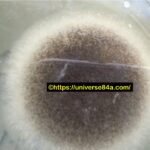 Introduction Aspergillus niger is a filamentous fungus belonging to the genus Aspergillus. It is a common and widespread mold that can be found in various environments, including soil, decaying plant material, and indoor settings. A. niger plays both beneficial and harmful roles in different contexts. Beneficial roles of Aspergillus niger: Industrial applications: It is extensively used in biotechnology and industrial fermentation processes. Aspergillus niger produces various enzymes, including amylases, proteases, and cellulases, which are employed in...