
Blog
Aspergillus terreus: Introduction, Morphology, Pathogenicity, Lab Diagnosis, Treatment, Prevention, and Keynotes
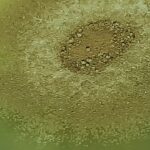 Introduction & Taxonomy Aspergillus terreus is a filamentous fungus increasingly recognized as a significant emerging opportunistic pathogen. It is uniquely distinguished from other common species by its intrinsic resistance to amphotericin B, its characteristic cinnamon-brown colony color, and the production of specialized spores called aleurioconidia. Classification: Belongs to the phylum Ascomycota, section Terrei. Habitat: Ubiquitous saprobe found worldwide in soil, decomposing vegetation, compost, and stored grains, primarily in warmer tropical and subtropical regions. Economic Importance: Used...
Nakaseomyces glabratus-Introduction, Morphology, Pathogenicity, Lab Diagnosis, Treatment, Prevention, and Keynotes
 Introduction Nakaseomyces glabratus (formerly Candida glabrata) is a highly adaptable, haploid yeast that is a common commensal of the human gastrointestinal and genitourinary tracts. It is the second or third most common cause of candidiasis worldwide and is notable for its high level of intrinsic and acquired antifungal resistance. Morphology Cellular Structure: Unlike many other Candida species, N. glabratus is nondimorphic, meaning it only exists as small, oval blastoconidia (yeast cells). Lack of Hyphae: It cannot form true hyphae or pseudohyphae under typical conditions. Genome: It...
Pichia kudriavzevii-Introduction, Morphology, Pathogenicity, Lab Diagnosis, Treatment, Prevention, and Keynotes
 Introduction Pichia kudriavzevii, formerly known as Candida krusei, is a unique budding yeast that holds a dual status as both a critical industrial organism and an emerging opportunistic pathogen. Taxonomy: It is the teleomorph (sexual state) of Candida krusei. It has also been historically known as Issatchenkia orientalis. ccurrence: It is ubiquitous in nature, found in soil, fruits, and fermented foods like chocolate and coffee. Industrial Importance: Used globally for bioethanol production due to its high tolerance to extreme heat (up to 45°C)...