
Blog
Coagulase Test: Introduction, Principle, Procedure, Result Interpretation, Limitations and Keynotes
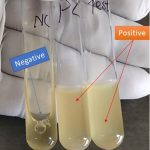 Introduction of Coagulase Test Coagulase test is an enzymatic test that is used to differentiate Staphylococcus aureus (positive) from coagulase-negative staphylococci (CoNS). Coagulase is an enzyme produced by S. aureus that converts soluble fibrinogen of plasma to insoluble fibrin. S. aureus produces two forms of coagulase i.e. bound and free coagulase. Slide coagulase test is proceeded to detect bound coagulase or clumping factor. A tube coagulase test is performed to detect free coagulase. Principle of Coagulase Test for Bacteria Staphylococcus aureus...
Phenylalanine Deaminase Test: Principle, Procedure, Result Interpretation and keynotes
 Principle of Phenylalanine Deaminase (PDA) Test The phenylalanine deaminase test is also known as the phenyl pyruvic acid (PPA) test used to differentiate among the urea positive gram-negative rods based on the ability of the microorganisms to produce phenyl pyruvic acid by oxidative deamination. Phenylalanine is an amino acid that, upon deamination by oxidase enzymes, results in the formation of phenyl pyruvic acid. The deamination of phenylalanine to phenyl pyruvic acid is detected by the addition of a...
Biomedical Waste: Introduction, Its Management Objectives and Source
 Biomedical waste Outlines of the topic contain an introduction, aims of biomedical waste management, and source of it. Introduction Definition: It is defined as waste that is generated during the diagnosis treatment or immunization of human beings and is contaminated with patients' body fluids. (WHO) It includes : Syringes, needles, ampules, Organs and body parts Dressings, disposable plastics Microbiological waste The objective of its management Following are the aims of its management- To...