
Blog
Influenza Virus: Introduction, Properties, Pathogenicity, Lab Diagnosis, Treatment and Prevention
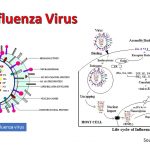 Introduction of Influenza Virus Influenza virus infection is a highly contagious airborne disease. It causes acute febrile respiratory illness and results in varying degrees of systemic symptoms, ranging from mild fatigue to respiratory failure and even death. It is responsible for infecting 5–15% of the global population annually. Influenza is a viral infection and commonly called the flu. Family: Orthomyxoviridae Types: A, B, and C Influenza B and C viruses have a very limited host range and are mainly present in humans whereas influenza A reservoirs are human as well...
Enterococcus: Identification Related Tests and Details
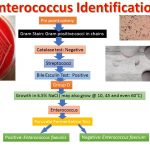 Enterococcus Identification Chart Pinpoint colony on growth medium ⇓ Gram Stain: Gram-positive cocci in chains ⇓ Catalase test: Negative ⇓ Streptococci ⇓ Bile Esculin Test: Positive ⇓ Group D ⇓ Growth in 6.5% NaCl ( may also grow @ 10, 45 and even 60°C) ⇓ Enterococcus ⇓ Pyruvate Fermentation Test ⇓ Positive: Enterococcus faecalis ⇓ Negative: Enterococcus faecium Gamma Hemolytic Colony on Blood Agar of Enterococcus 5% sheep blood agar (BAP) is with gamma (γ) hemolytic...
AST Pattern for Bacteria: Introduction, List of Antimicrobial agents and Uses
 AST Pattern for Bacteria AST: Antimicrobial Sensitivity Testing Since not all antibiotics are applicable in a single bacterium and there is a need for the AST pattern of each bacterium or family of bacteria or genus. Some common bacteria that AST pattern should be discussed later are- Staphylococcus species Streptococcus spp. ( beta-hemolytic group) Streptococcus species- viridans group Streptococcus pneumoniae Enterococcus species Enterobacteriaceae Pseudomonas aeruginosa Haemophilus influenzae/ parainfluenzae Shigella species Acinetobacter species Neisseria gonorrhoeae Neisseria meningitidis...