
Blog
Salmonella Serotyping: Introduction, Principle, Requirements, Test Procedure, Result Interpretation and Keynotes
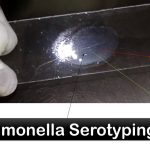 Introduction of Salmonella Serotyping Salmonella Serotyping helps to differentiate serotypes of Salmonella. Serotypes refer to separate groups within a species of microorganisms that all share a similar property. More specifically, each serotype has the same number of antigens on its surfaces. For example, Salmonella enterica serotype Typhi and Salmonella enterica serotype Paratyphi. Serotypes are differentiated on the basis of agglutination tests and used to help with the identification of Salmonella, Shigella, Vibrio cholerae, Haemophilus influenzae, etc. Principle...
Most Commonly Found Pathogens: Introduction, List of Common Samples and Common Pathogens Found
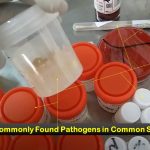 Introduction of Most Commonly Found Pathogens Here we are discussing the most commonly found pathogens in our clinical samples. e.g. urine, blood, sputum, etc. The list of common specimens/samples encountered in the Clinical Microbiology Laboratory is given below- Urine Sputum Pus Eye swab Body fluid (CSF, pleural fluid, ascitic fluid, and others) Throat swab Stool HVS, Vaginal Swab, Endocervical swab, and Urethral discharge Ear Swab Blood culture Urine Most Commonly Found Pathogens in the Urine sample are-...
Thioglycollate Broth: Introduction, Composition, Preparation, Principle, Test Procedure, Result Interpretation, Uses and Keynotes
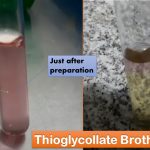 Introduction of Thioglycollate Broth Thioglycollate broth is recommended for sterility testing of biologicals and for the cultivation of anaerobes, aerobes, and microaerophiles from pharmaceutical as well as clinical samples. Composition of Thioglycollate Broth Ingredients Gms / Litre Tryptone: 15.0 Yeast extract: 5.0 Dextrose (Glucose): 5.5 Sodium chloride(NaCl):2.5 L-Cystine: 0.5 Sodium thioglycollate: 0.5 Resazurin sodium: 0.001 Agar: 0.75 Final pH ( at 25°C): 7.1±0.2 Preparation of Thioglycollate Broth Suspend 2.975 grams in 100 ml distilled water or deionized water....