
Blog
Anaerobes Presumptive Identification using Antibiotic disks: Introduction, Principle, Procedure, Result Interpretation and Keynotes
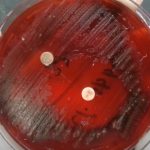 Introduction of Anaerobes Presumptive Identification using Antibiotic disks Anaerobes Presumptive Identification using Antibiotic disks is useful to determine an anaerobe’s inhibition that can be used for presumptive identification based on its characteristic susceptibility pattern to colistin (10 µg), vancomycin (5 µg), and kanamycin (1 000 µg ). Principle of Anaerobes Presumptive Identification using Antibiotic disks Normally, gram-positive anaerobes are susceptible to vancomycin while resistant to colistin. Gram-negative anaerobes are resistant to vancomycin. These disks are principally useful in differentiating between...
Novobiocin Susceptibility Test: Introduction, Principle, Procedure, Result Interpretation and Keynotes
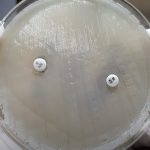 Introduction of Novobiocin Susceptibility Test Novobiocin Susceptibility Test is applied to differentiate the different species of coagulase-negative staphylococci. Principle of Novobiocin Susceptibility Test After incubation with 5 µg of novobiocin disk, Staphylococcus saprophyticus is not inhibited by the antibiotic whereas Staphylococcus epidermidis is susceptible to novobiocin. Test Requirements for Vancomycin Susceptibility Test Test organisms McFarland Densitometer Glass Test tubes Mueller Hinton Agar Antimicrobial disks ( 5 µg of novobiocin) Swab stick Bunsen burner Inoculating wire Incubator Disk applicator/ forceps...
Vancomycin Susceptibility Test: Introduction, Principle, Procedure, Result Interpretation
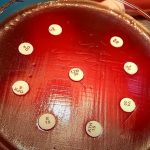 Introduction of Vancomycin Susceptibility Test Vancomycin Susceptibility Test is used to differentiate Pediococcus from other alpha-hemolytic streptococci. 5 µg of vancomycin disk is applied for the assaying. Principle of Vancomycin Susceptibility Test After incubation with 5 µg of vancomycin disk, Pediococcus is not inhibited by the antibiotic whereas Viridans streptococci are susceptible to vancomycin. Test Requirements for Vancomycin Susceptibility Test Test organisms McFarland Densitometer Glass Test tubes Blood agar/Mueller Hinton Agar supplemented with 5% Sheep blood (preferred) Antimicrobial disks (...