
Blog
CVP Line Culture and Sensitivity Test-Introduction, Report, Clinical Significance, Common Pathogens, and Keynotes
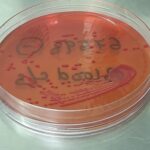 Introduction of CVP Line Culture and Sensitivity Test- The CVP Line Culture and Sensitivity Test, often referred to as a Central Venous Catheter (CVC) Culture and Sensitivity Test, is a medical diagnostic procedure used to identify and treat infections associated with central venous catheters. This test is crucial for patients who have a CVC in place, as it helps healthcare providers detect and manage potential infections early, preventing serious complications. Here is an introduction to the CVP...
Klebsiella oxytoca- Introduction, Morphology, Pathogenicity, Lab Diagnosis, Treatment, Prevention, and Keynotes
 Introduction Klebsiella oxytoca is a species of Gram-negative, rod-shaped bacterium belonging to the genus Klebsiella, which is a member of the family Enterobacteriaceae. This bacterium is notable for its clinical significance and its role in both beneficial and harmful interactions with humans and the environment. Key features and characteristics of Klebsiella oxytoca include: Morphology: Its cells are typically rod-shaped (bacilli) and are Gram-negative, which means they have a thin peptidoglycan layer in their cell walls. They often...
Proteus vulgaris- Introduction, Morphology, Pathogenicity, Lab Diagnosis, Treatment, Prevention, and Keynotes
 Introduction Proteus vulgaris is a species of Gram-negative, rod-shaped bacteria that belongs to the genus Proteus. This bacterium is a common member of the human intestinal microbiota and is found in various environmental sources, including soil and water. It is known for its remarkable ability to exhibit swarming motility, which allows it to move rapidly across surfaces in a coordinated manner. Here are some key characteristics and features of Proteus vulgaris: Morphology: Proteus vulgaris is a...