
Blog
Alcaligenes faecalis-Introduction, Morphology, Pathogenicity, Lab Diagnosis, Treatment, Prevention, and Keynotes
 Introduction Alcaligenes faecalis is a type of bacteria commonly found in the human intestinal tract and environment. It's known for being Gram-negative and rod-shaped. This bacterium is often non-pathogenic but can be opportunistic, causing infections in immunocompromised individuals. Infections can range from urinary tract infections to respiratory issues. Alcaligenes faecalis is characterized by its ability to grow in both aerobic and anaerobic conditions, and it's usually resistant to common antibiotics, making treatment of infections challenging. Morphology...
Gemella morbillorum -Introduction, Morphology, Pathogenicity, Lab Diagnosis, Treatment, Prevention, and Keynotes
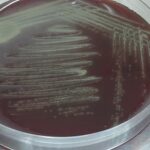 Introduction "Gemella morbillorum" is a species within the genus Gemella, which is part of the natural flora of the human body, particularly in the oral cavity and upper respiratory tract. Here are some key points about this bacterium: Gram-Positive Cocci: Like other members of the Gemella genus, it is a gram-positive bacterium, meaning it retains the crystal violet stain used in Gram staining and appears purple under a microscope. Habitat: It is commonly found in the...
Aeromonas hydrophila-Introduction, Morphology, Pathogenicity, Lab Diagnosis, Treatment, Prevention, and Keynotes
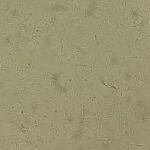 Introduction Aeromonas hydrophila is a Gram-negative, rod-shaped bacterium predominantly found in aquatic environments. It is part of the Aeromonas genus, which includes several species known to cause infections in humans and animals. Habitat Aeromonas hydrophila is commonly found in fresh and brackish water. It can survive in a variety of aquatic environments, including rivers, streams, lakes, and estuaries. It's also frequently isolated from chlorinated tap water. Morphology A. hydrophila, a Gram-negative bacterium, exhibits distinct morphological characteristics....