
Blog
Code of Practice to Work in Microbiology Laboratory
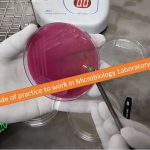 Code of practice to work in Microbiology Laboratory (Laboratory guidelines) The following laboratory guidelines should be followed to work in a Microbiology laboratory and they are- Mouth pipetting is prohibited. Eating, drinking, smoking, storing food, and applying cosmetics are not permitted in the laboratory area. The laboratory must be neat and clean and free of materials not pertinent to the work. Working surfaces are decontaminated at least once a day and after each spill of viable...
Enterobacteriaceae: Introduction, Phenotypic Features and Related Videos
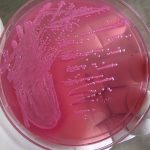 Enterobacteriaceae The family Enterobacteriaceae is a very large group of gram-negative bacteria that possess a number of common morphological and biochemical properties and similar DNA base compositions. The widely used systems for the classification of Enterobacteriaceae are Bergey's manual Kauffmann and Edward -Ewing. Even having certain differences, the general approach is the same. A family is a group of subdivisions or tribes and each tribe consists of one or more genera. Similarly, each genus consists...
CSF Analysis: Introduction, Culture, Sensitivity and Possible Pathogens
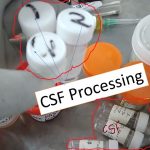 Introduction of CSF Analysis As you know, Cerebrospinal fluid (CSF) is a clear, colorless body fluid found in the brain and spinal cord. It is produced by the specialized ependymal cells in the choroid plexuses of the ventricles of the brain and absorbed in the arachnoid granulations. This fluid is useful for diagnosis when the patient is suspected of meningitis either due to bacteria, virus, parasite, or even fungal infections. A clinician draws the CSF fluid in sterile...