
Blog
Cedecea davisae-Introduction, Morphology, Pathogenicity, Lab Diagnosis, Treatment, Prevention, and Keynotes
 Introduction of Cedecea davisae Cedecea davisae is a rare Gram-negative bacillus. It belongs to the Enterobacteriaceae family. This bacterium appears in soil and water. Scientists first isolated it in 1981. It can cause opportunistic infections in humans. Most infections occur in immunocompromised patients. Cedecea davisae shows resistance to many antibiotics. Physicians often find it in bloodstream infections. It also appears in respiratory and urinary tract infections. Identification requires specific biochemical tests. Cedecea davisae resembles other Enterobacteriaceae members....
Shigella sonnei- Introduction, Morphology, Pathogenicity, Lab Diagnosis, Treatment, Prevention, and Keynotes
 Introduction Shigella sonnei is a bacterium causing shigellosis, a type of dysentery. It primarily infects the human intestines. This pathogen spreads through contaminated food or water. Symptoms include diarrhea, fever, and stomach cramps. It thrives in crowded, unsanitary conditions. It resists stomach acid, enabling it to infect easily. The bacteria invade intestinal cells, causing inflammation and damage. Antibiotics can treat shigellosis, but resistance is rising. Preventing infection requires good hygiene and safe food practices. Vaccines are...
Staphylococcus hominis- Introduction, Morphology, Pathogenicity, Lab Diagnosis, Treatment, Prevention, and Keynotes
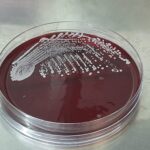 Introduction Staphylococcus hominis is a part of the human skin flora. It resides harmlessly on the skin's surface. Often, it contributes to the skin's natural defenses against pathogens. This bacterium thrives in moist areas like armpits. It can cause infections in people with weakened immune systems. In hospitals, S. hominis might infect indwelling devices. It is becoming resistant to common antibiotics. Researchers study its genes to understand this resistance. Despite its potential for infection, it plays...