
Aspergillus flavus: Introduction, Morphology, Pathogenicity, Lab Diagnosis, Treatment, Prevention, and Keynotes
Introduction
Aspergillus flavus is a filamentous fungus belonging to the Aspergillus genus. It is widely distributed in the environment and can be found in soil, decaying vegetation, and various organic materials. This fungus is known for its significant economic and ecological impact, as well as its association with human health and agriculture.
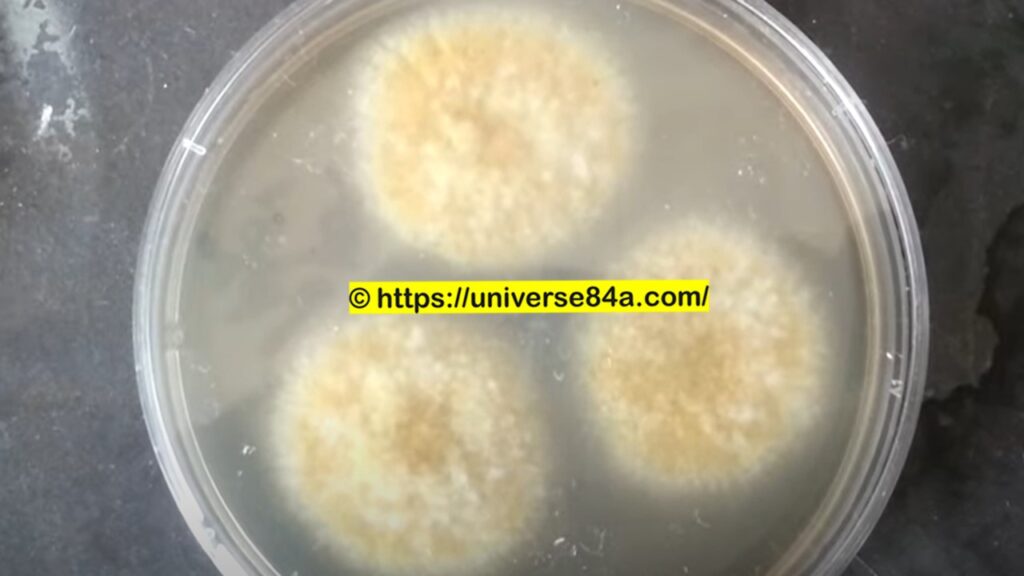
Morphology: Aspergillus flavus has a characteristic appearance, forming colonies with a velvety texture and a greenish-yellow to yellowish-brown color. The colonies produce conidiophores, which are specialized structures that bear conidia (asexual spores). The conidia are small, single-celled, and produced in chains.
Aflatoxins: One of the most important aspects of Aspergillus flavus is its ability to produce aflatoxins, highly toxic and carcinogenic secondary metabolites. Aflatoxins are among the most potent naturally occurring carcinogens, and they can contaminate various crops, particularly grains, nuts, and legumes, leading to severe health risks for both humans and animals if ingested.
Agricultural Impact: Aspergillus flavus is a major concern in agriculture because it can infect various crops, especially corn, peanuts, cottonseed, and tree nuts. Under certain environmental conditions, such as high temperature and humidity, the fungus thrives and produces aflatoxins, leading to the contamination of the food supply and significant economic losses for farmers and food industries.
Human Health: The consumption of aflatoxin-contaminated food can result in acute or chronic aflatoxin poisoning. Acute poisoning can lead to symptoms such as vomiting, abdominal pain, and even death in severe cases. Chronic exposure to low levels of aflatoxin is linked to an increased risk of developing liver cancer, particularly in regions where contaminated food is a dietary staple and food safety measures are inadequate.
Prevention and Control: To mitigate the risks associated with Aspergillus flavus and aflatoxins, several preventive measures are recommended. These include proper storage and handling of crops to minimize moisture content, reducing the insect infestation of stored grains, and using agricultural practices that discourage fungal growth. Additionally, rigorous monitoring and testing of food products for aflatoxin contamination are essential to ensure food safety.
In conclusion, Aspergillus flavus is an important fungal species with far-reaching implications. Its ability to produce aflatoxins makes it a significant concern for agriculture and human health. Efforts to control and prevent its growth and toxin production are crucial to safeguard both food supplies and public health.
Morphology
Aspergillus flavus has a distinctive morphology that aids in its identification. Here are some key characteristics of the morphology of Aspergillus flavus:
- Colony Appearance: When grown on solid culture media like agar plates, Aspergillus flavus forms colonies with a velvety or powdery texture. The color of the colonies can vary depending on the strain, but they typically range from greenish-yellow to yellowish-brown.
- Hyphae: It is a filamentous fungus, and its vegetative body consists of thread-like structures called hyphae. These hyphae form a network, known as mycelium, that spreads across the growth substrate.
- Conidiophores: Specialized structures called conidiophores are responsible for the production of asexual spores known as conidia. Conidiophores are erect, elongated structures that arise from the mycelium and have a characteristic brush-like appearance at the top.
- Conidia: The conidia of Aspergillus flavus are single-celled spores that are produced in chains at the tips of conidiophores. They are small, spherical to elliptical in shape, and have a smooth surface. The color of the conidia is typically green or yellow, contributing to the species name “flavus,” which means yellow in Latin.
- Size: The conidia of Aspergillus flavus are quite small, with an average size of approximately 3 to 5 micrometers in diameter.
Pathogenicity
Aspergillus flavus is considered a pathogenic fungus due to its ability to cause various infections in both plants and animals, including humans. The pathogenicity of Aspergillus flavus is primarily associated with its ability to produce aflatoxins, which are highly toxic and carcinogenic secondary metabolites.
- Plant Pathogen: Aspergillus flavus can infect various crops, particularly those grown in warm and humid climates. It commonly affects crops such as corn, peanuts, cottonseed, and tree nuts. The fungus can gain entry into the plant tissues through wounds or natural openings and then proliferate under favorable environmental conditions. As it grows, A. flavus produces aflatoxins, which can contaminate the crops, rendering them unsafe for consumption by both humans and animals.
- Human Pathogen: Aflatoxin-contaminated food is a significant health concern for humans. When individuals consume food products contaminated with aflatoxins, they can experience acute aflatoxicosis, which is characterized by symptoms such as vomiting, abdominal pain, and liver dysfunction. In severe cases, acute aflatoxicosis can lead to liver failure and death.
- Carcinogenicity: Chronic exposure to low levels of aflatoxins over an extended period is associated with an increased risk of developing hepatocellular carcinoma (HCC), a type of liver cancer. Aflatoxins are among the most potent naturally occurring carcinogens known, and A. flavus-contaminated food can be a significant contributing factor to the high incidence of liver cancer in certain regions with dietary exposure to these toxins.
Preventing Aflatoxin Contamination: Prevention and control of Aspergillus flavus infection and aflatoxin contamination are essential to safeguard both agricultural crops and human health. Strategies to reduce aflatoxin contamination include:
- Proper Storage: Storing crops under conditions that minimize moisture content and temperature can help reduce fungal growth and aflatoxin production.
- Insect Control: Insects can damage crops, providing entry points for A. flavus. Implementing effective insect control measures can limit fungal contamination.
- Crop Management: Crop rotation, avoiding stressful environmental conditions, and using resistant crop varieties can help minimize A. flavus infection.
- Food Safety Measures: Strict monitoring and testing of food products for aflatoxin contamination are critical to ensuring safe consumption.
In conclusion, Aspergillus flavus is pathogenic to both plants and animals, primarily due to its ability to produce aflatoxins. Contamination of food and feed with aflatoxins poses significant risks to human and animal health, making prevention and control measures essential in mitigating the impact of this fungal pathogen.
Lab Diagnosis
The laboratory diagnosis of Aspergillus flavus involves the isolation and identification of the fungus from clinical samples or environmental sources. Here are the main steps and techniques involved in the lab diagnosis:
- Sample Collection: The first step is to collect appropriate samples from the suspected source, which may include clinical specimens from infected individuals (e.g., respiratory secretions, tissue biopsies) or environmental samples (e.g., soil, contaminated food, agricultural products).
- Microscopic Examination: Direct microscopic examination of the sample is conducted to visualize the fungal structures. A wet mount or a stained slide is examined under a microscope. Aspergillus species, including A. flavus, can be identified by observing the characteristic hyphae, conidiophores, and conidia. A. flavus conidia are typically green or yellow, spherical to elliptical, and produced in chains at the tips of conidiophores.
- Culture: The sample is then cultured on appropriate agar media. Sabouraud dextrose agar (SDA) or potato dextrose agar (PDA) are commonly used for Aspergillus species. The culture plates are incubated at the optimal temperature (usually around 25-30°C) for the growth of Aspergillus species.
- Macroscopic Examination: After incubation, the colonies’ macroscopic appearance is observed. Aspergillus flavus colonies typically have a velvety or powdery texture and are greenish-yellow to yellowish-brown in color.
- Microscopic Examination of Culture: A slide is prepared from the cultured colonies, and microscopic examination is performed. The slide is stained with lactophenol cotton blue or other appropriate fungal stains to observe the fungal structures in detail.
- Fungal Identification: To confirm the species as Aspergillus flavus, additional identification tests may be conducted. These tests may include molecular techniques like DNA sequencing or specific biochemical tests. Molecular methods can provide rapid and accurate identification.
- Aflatoxin Detection (Optional): If the suspected source is food or feed material, aflatoxin detection tests may be conducted to confirm the presence of aflatoxin and determine its quantity.
It’s important to maintain proper laboratory safety measures while handling Aspergillus species, especially considering the potential risk of exposure to aflatoxins in some situations.
Treatment
The treatment of Aspergillus flavus infections varies depending on the severity of the infection, the affected site, and the patient’s overall health condition. Antifungal therapy is the mainstay of treatment for Aspergillus infections. Here are the general approaches to treating Aspergillus flavus infections:
- Antifungal Medications: The primary class of antifungal drugs used to treat Aspergillus infections is azoles, which include drugs such as voriconazole, itraconazole, and posaconazole. Voriconazole is often considered the first-line treatment for invasive aspergillosis, including infections caused by Aspergillus flavus. These drugs work by inhibiting the growth of the fungus and preventing its spread.
- Surgical Intervention: In cases of localized Aspergillus infections, especially in the lungs or sinuses, surgical removal of the infected tissues may be necessary to improve the effectiveness of antifungal therapy and to prevent further spread of the fungus.
- Combination Therapy: In severe cases or in individuals with compromised immune systems, combination therapy with multiple antifungal agents may be considered to increase efficacy and reduce the risk of resistance.
- Immunomodulatory Therapy: In patients with severely compromised immune systems, such as those undergoing bone marrow or solid organ transplantation, additional immunomodulatory agents may be used to boost the immune response and enhance the body’s ability to fight the infection.
- Supportive Care: Supportive measures, including supplemental oxygen, fluid resuscitation, and nutritional support, are essential to help patients recover from Aspergillus infections, especially in severe cases.
- Prevention: In individuals at high risk for Aspergillus infections, such as those with severe immunosuppression, prophylactic antifungal therapy may be considered to prevent the development of invasive aspergillosis.
Prevention
Preventing Aspergillus flavus infections is crucial, particularly in high-risk environments and for individuals with weakened immune systems. Here are some preventive measures to minimize the risk of Aspergillus flavus infections:
- Food Safety Measures: Aspergillus flavus can contaminate food, especially crops like corn, peanuts, cottonseed, and tree nuts. To reduce the risk of aflatoxin contamination in food:
- Store grains and nuts in cool, dry conditions to prevent fungal growth.
- Regularly inspect food for signs of mold or spoilage and discard any contaminated items.
- Follow good agricultural practices to reduce fungal growth in crops before harvest.
- Implement proper drying and storage methods for crops to prevent mold development.
- Infection Control in Healthcare Settings: In healthcare facilities, where vulnerable individuals may be at higher risk for fungal infections, infection control measures are crucial:
- Implement strict hand hygiene protocols for healthcare workers and visitors.
- Use appropriate personal protective equipment (PPE) when dealing with patients at high risk.
- Maintain proper environmental cleaning and disinfection to minimize fungal spores in patient care areas.
- Ensure proper ventilation and airflow in hospital settings to reduce fungal spore concentration in the air.
- Preventing Fungal Exposure: Individuals with weakened immune systems, such as transplant recipients, cancer patients undergoing chemotherapy, and those with HIV/AIDS, should take precautions to minimize exposure to environmental sources of Aspergillus:
- Avoid areas with high levels of dust, mold, or decaying vegetation, especially during construction or renovation activities.
- Wear masks and protective clothing when working in dusty or moldy environments.
- Minimize exposure to compost piles, hay, and other environments where Aspergillus may thrive.
- Proper Building Maintenance: Preventing water leaks and maintaining good ventilation in indoor environments can help reduce the growth of Aspergillus and other molds:
- Fix leaks and water damage promptly to prevent mold growth.
- Use dehumidifiers in areas prone to high humidity.
- Clean and disinfect humidifiers and air conditioners regularly.
- Immunization: For individuals who are at risk due to certain medical conditions, vaccination against preventable diseases can help maintain overall health and reduce the likelihood of severe fungal infections.
- Prophylactic Antifungal Therapy: In some cases, healthcare providers may prescribe prophylactic antifungal medications to individuals with severely compromised immune systems to prevent invasive fungal infections.
Keynotes
Aspergillus flavus is a filamentous fungus with several notable characteristics and implications. Here are keynotes on Aspergillus flavus:
- Taxonomy: Aspergillus flavus belongs to the Aspergillus genus, a diverse group of fungi commonly found in soil, decaying vegetation, and organic materials.
- Morphology: A. flavus forms colonies with a velvety texture and greenish-yellow to yellowish-brown color. It produces conidiophores that bear characteristic chains of small, single-celled conidia.
- Aflatoxin Production: A. flavus is notorious for its ability to produce aflatoxins, highly toxic and carcinogenic secondary metabolites. These aflatoxins can contaminate various crops, posing severe health risks to both humans and animals if ingested.
- Agricultural Impact: Aspergillus flavus is a major concern in agriculture as it can infect and contaminate crops such as corn, peanuts, cottonseed, and tree nuts, leading to economic losses and potential health hazards.
- Human Health: Consumption of aflatoxin-contaminated food can result in acute or chronic aflatoxin poisoning. Chronic exposure is associated with an increased risk of liver cancer (hepatocellular carcinoma) in regions where contaminated food is a dietary staple.
- Pathogenicity: A. flavus is considered a pathogenic fungus, capable of causing infections in both plants and animals, including humans. The pathogenicity is primarily linked to its aflatoxin production and invasive potential.
- Diagnosis: Laboratory diagnosis involves microscopy, culture, and molecular methods to identify A. flavus in clinical samples or environmental sources.
- Treatment: Antifungal therapy, with azole drugs like voriconazole, is the mainstay for treating Aspergillus flavus infections. Surgical intervention may be necessary in localized cases.
- Prevention: Preventive measures include food safety practices, infection control in healthcare settings, reducing fungal exposure, proper building maintenance, immunization, and prophylactic antifungal therapy for high-risk individuals.
- Environmental Impact: Aspergillus flavus plays a role in the decomposition of organic matter and nutrient recycling in the ecosystem.
Further Readings
- Paper: “Aflatoxin Biosynthesis: Current Frontiers” by Probst, C. et al. (2014) – This review article provides an in-depth overview of the molecular genetics and biosynthetic pathways of aflatoxin production in Aspergillus flavus and related species.
- Paper: “Aspergillus flavus: New Insights into the Mechanisms of Pathogenesis, Host Resistance, and Toxicity” by Mehl, H. L. et al. (2012) – This paper discusses the host-pathogen interactions and the latest understanding of Aspergillus flavus pathogenicity and host resistance mechanisms.
- Book: “The Genus Aspergillus” edited by Powell, K. A. and Renwick, A. (1985) – This book is a comprehensive resource on the genus Aspergillus, including Aspergillus flavus. It covers taxonomy, morphology, genetics, physiology, and various aspects of their role in human health and agriculture.
- Paper: “Ecology of Aspergillus flavus, Regulation of Aflatoxin Production, and Management Strategies to Reduce Aflatoxin Contamination of Corn” by Probst, C. et al. (2011) – This paper discusses the ecological factors influencing the growth of Aspergillus flavus in cornfields and explores management strategies to mitigate aflatoxin contamination.
- Paper: “Aflatoxin: Toxicology, Epidemiology, and Biomarkers” by Wild, C. P. (2007) – This review provides an overview of the toxicology, epidemiology, and biomarkers associated with aflatoxin exposure and its impact on human health.
- Paper: “Aspergillus flavus Infection of Maize: Host Resistance and Aflatoxin Contamination” by Warburton, M. L. et al. (2016) – This paper examines the interaction between A. flavus and maize, focusing on host resistance mechanisms and strategies to reduce aflatoxin contamination.
- Book: “Aspergillus flavus and Aflatoxin in Corn” edited by Abbas, H. K. et al. (2017) – This book compiles research on Aspergillus flavus and aflatoxin contamination in corn, discussing their impact on agriculture, food safety, and public health.