
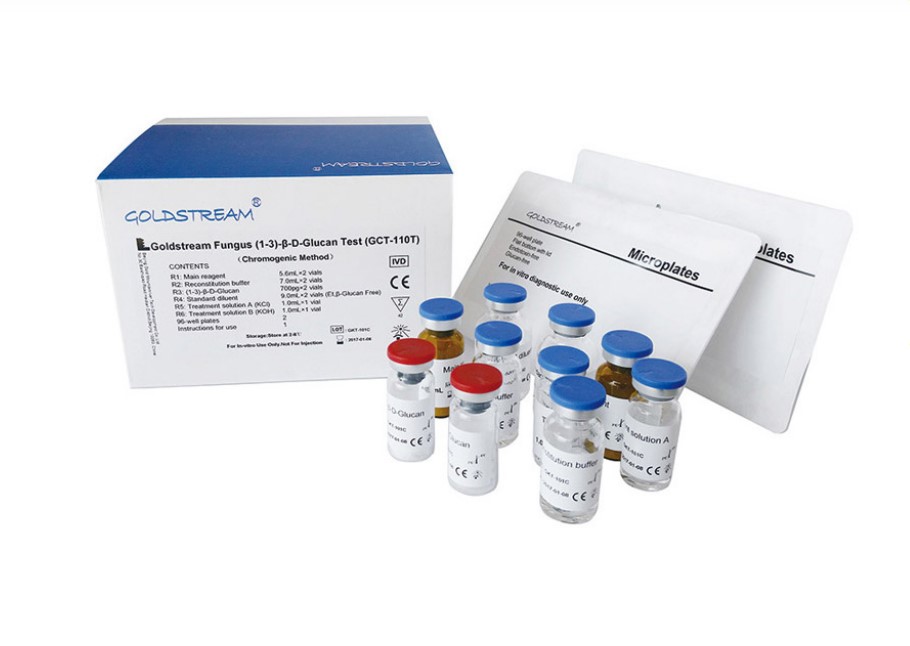
Introduction of Fungus (1-3)-β-D-Glucan Test by Chromogenic Method
Fungus (1-3)-β-D-Glucan Test by Chromogenic Method is used for screening and diagnosis of invasive fungal infection. It is a major cell wall component of most pathogenic fungi, used as a biomarker for the diagnosis of the invasive fungal etiological agents causing fungal infections. The chromogenic method is a sensitive and rapid assay for the detection of (1-3)-β-D-Glucan in serum as well as in BAL specimens to aid in the early diagnosis of invasive fungal infections and the test result comes within 40 minutes.
Principle of Chromogenic Method
In brief, a key principle of the chromogenic method is to reveal the presence of the analyte in a test specimen through chemically-induced visible color changes. The resulting color is then recorded by applying spectrophotometric methods to reveal the concentration of the analyte in the test sample.
Characteristics of Fungus (1-3)-β-D-Glucan Test by Chromogenic Method
Characteristics of Fungus (1-3)-β-D-Glucan Test by Chromogenic Method are as follow-

Keynotes on Fungus (1-3)-β-D-Glucan Test by Chromogenic Method
- Advantages of Fungus (1-3)-β-D-Glucan Test by Chromogenic Method (bio-state Inc. product) are as given below-
- Quality control ensures the experimental accuracy
- High negative predictive value 97.73% and
- 5-8 days prior to clinical symptoms and imaging.
- The intended use of this assay is for Screening and Diagnosis of Invasive Fungal Infection.
- Goldstream® Fungus (1-3)-β-D-Glucan Test by Chromogenic Method (model: GCT-110T) is approved by CFDA and CE, and is available in China and Europe.
- Goldstream® Fungus (1-3)-β-D-Glucan by chromogenic method Test product’s inter-assay variation is ≤10% while the instrument, microplate absorbance reader is used.
- Benefits of Goldstream® Fungus (1-3)-β-D-Glucan by chromogenic method ( GCT-110T) are as follows-
- Pan-fungal marker: It is effective in the screening and diagnosis of invasive fungal disease caused by most fungi.
- Rapid: It is a rapid assay since results are obtained within 40 minutes.
- Compatible: It works with most microplate readers.
- Readily available and easily accessible specimen: It needs only 5 μl of a serum sample for each assay.
- In India, fungus (1-3)-Beta-D-Glucan Detection Kit (Chromogenic Method) price is Rs 1.30 Lakh/ Kit (110 tests).
- This assay is applicable in the following departments-
- Microbiology/Clinical Mycology Department
- Hematology Department
- Cancer Department
- Transplantation Department
- Neonatology Department
- Respiration Department
- Intensive Care Unit (ICU)
- Dermatology Department
Further Reading
- https://www.bio-state.com/products/fungus-1-3-%CE%B2-d-glucan-test/
- https://erabiocanada.com/goldstream-fungus-1-3-%CE%B2-d-glucan-test-chromogenic-method-gct-110t/
- https://www.indiamart.com/proddetail/fungus-1-3-beta-d-glucan-detection-kit-chromogenic-method-23501102255.html
- https://bioscience.lonza.com/lonza_bs/NP/en/contact/lonza